
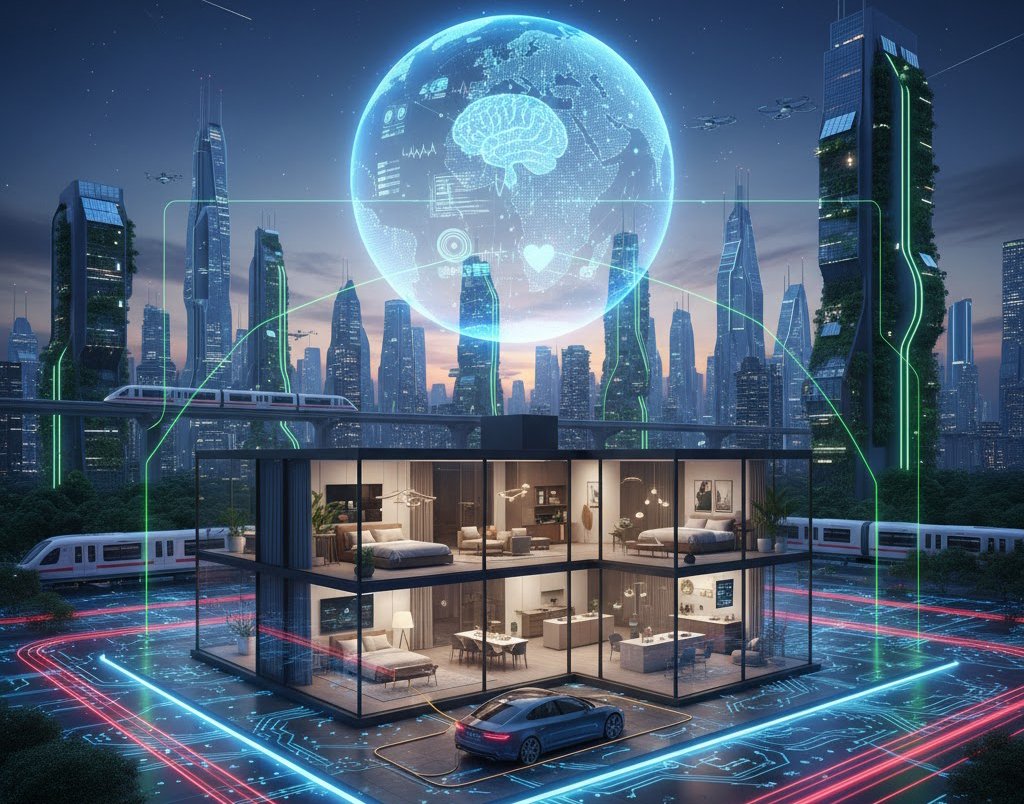
In an era defined by rapid innovation, the convergence of design and technology has moved beyond mere aesthetics or functionality; it’s fundamentally redesigning the fabric of our daily lives. From the moment we wake up to the intelligent systems that manage our homes, design, facilitated by technological advancements, is creating lifestyles that are more intuitive, personalized, and interconnected than ever before. This isn’t just about new gadgets; it’s about a holistic approach where thoughtful design leverages technology to enhance comfort, efficiency, and well-being.
The Intelligent Home: A Symphony of Seamless Living
Perhaps nowhere is the impact of design through technology more evident than in the rise of smart home. What began as isolated devices has evolved into integrated ecosystems, designed to anticipate our needs and blend seamlessly into our living spaces.
- Adaptive Environments: Smart thermostats like Nest, informed by AI, learn our preferences and optimize energy consumption without constant manual adjustment. Lighting systems not only turn on and off but adapt to their color temperature and brightness based on time of day, enhancing circadian rhythms and mood. These systems are designed to be largely invisible, operating in the background, minimizing the need for interaction and maximizing comfort.
- Intuitive Controls: Voice assistants (e.g., Amazon Alexa, Google Assistant) and intuitive smartphone apps serve as central control hubs, allowing users to manage multiple devices with natural language or a few taps. The design here focuses on reducing friction, making complex technological interactions feel effortless and accessible to all ages.
- Enhanced Security and Well-being: Integrated security cameras, smart locks, and sensor networks offer peace of mind, controllable from anywhere. Beyond security, smart home design now incorporates air quality monitors, automated plant care systems, and even intelligent sleep trackers, all aimed at fostering a healthier and more balanced lifestyle.
Redefining Work and Productivity: The Blended Reality
The boundaries between work and personal life have blurred, and technology-driven design is at the forefront of this transformation. Remote work, co-working spaces, and flexible schedules are not just trends; they are lifestyle choices enabled by carefully designed technological tools.
- Ergonomics and Immersive Experiences: Ergonomic furniture integrated with smart features (e.g., standing desks with memory settings, chairs that monitor posture) combine with immersive displays and virtual reality (VR) tools to create productive and comfortable workspaces, whether at home or in a dedicated office. Design here focuses on human-centered interaction to prevent fatigue and foster creativity.
- Seamless Collaboration: Cloud-based platforms (e.g., Microsoft 365, Google Workspace) and sophisticated communication tools are designed with intuitive interfaces that facilitate real-time collaboration across geographical distances. These tools prioritize user experience, ensuring that technology enhances rather than hinders teamwork.
- Digital Nomads and Flexible Lifestyles: Laptops, tablets, and smartphones, designed for portability and powerful performance, allow individuals to work from anywhere. This design philosophy enables a lifestyle of unprecedented flexibility, empowering people to blend travel, personal interests, and professional commitments.
Personal Wellness and Health: Tailored for Every Body
Wearable technology and digital health platforms are prime examples of design and technology converging to promote individual well-being.
- Personalized Health Insights: Smartwatches and fitness trackers (e.g., Apple Watch, Fitbit) are beautifully designed accessories that discreetly monitor vital signs, activity levels, sleep patterns, and stress. Their intuitive interfaces present complex health data in an easily digestible format, empowering users to make informed lifestyle choices.
- Gamified Fitness and Mental Health: Apps designed with engaging user experiences gamify fitness, making exercise more enjoyable and sustainable. Similarly, meditation and mental wellness apps offer guided practices and mood tracking, using thoughtful design to make mental health support accessible and appealing.
- Telehealth and Remote Care: User-friendly telehealth platforms are designed to connect patients with healthcare providers remotely, offering convenience and accessibility, especially for those in rural areas or with mobility challenges. The design focuses on clear communication and secure data exchange to replicate the in-person experience as much as possible.
Transportation and Urban Living: Smarter Cities, Smarter Journeys
Our cities themselves are becoming canvases for design through technology, leading to more efficient and sustainable lifestyles.
- Intelligent Mobility: Ride-sharing apps, electric vehicle (EV) charging networks, and smart traffic management systems are all products of design and technology, aimed at reducing congestion and promoting greener transportation. The user experience for these services is paramount, simplifying complex logistics into a few taps.
- Connected Public Spaces: Smart streetlights that adapt to ambient light, waste management systems that optimize collection routes, and interactive public displays enhance urban living by making cities more responsive and livable. Design here is about creating functional, aesthetically pleasing, and sustainable urban environments.
- Augmented Reality (AR) Navigation: AR is beginning to transform navigation, overlaying digital information onto the real world to provide more intuitive directions for pedestrians and drivers, making travel less stressful and more engaging.
The Future is Thoughtfully Designed
The ongoing evolution of design through technology is not merely about introducing new features; it’s about crafting experiences that enrich our lives, simplify routines, and foster greater connection and well-being. As technology becomes more sophisticated, the role of design in making it accessible, desirable, and beneficial becomes even more critical. The ultimate goal is a lifestyle where technology serves as an invisible, intelligent assistant, allowing us to focus on what truly matters.
Smart Home Platforms (e.g., Google Home, Amazon Alexa, Apple HomeKit): These platforms demonstrate the integration of devices and intuitive control.
- Google Home: https://store.google.com/category/connected_home
- Amazon Alexa: https://www.amazon.com/alexa
- Apple HomeKit: https://www.apple.com/ios/home/
Smart Thermostats (e.g., Nest, Ecobee): Examples of AI-driven adaptive home environments.
- Nest (Google): https://store.google.com/category/nest
Cloud Collaboration Platforms (e.g., Microsoft 365, Google Workspace): These illustrate seamless global collaboration.
- Microsoft 365: https://www.microsoft.com/en-us/microsoft-365
- Google Workspace: https://workspace.google.com/
Ergonomic Design Companies: Companies specializing in office furniture and accessories that integrate technology for health and productivity.
- Herman Miller: https://www.hermanmiller.com/ (Known for ergonomic chairs and smart desks)
Wearable Technology Brands (e.g., Apple Watch, Fitbit, Garmin): These products showcase personalized health monitoring and design.
- Apple Watch: https://www.apple.com/apple-watch/
- Fitbit (Google): https://www.fitbit.com/
Digital Health and Wellness Apps: Examples like Headspace, Calm, and various fitness tracking apps demonstrate gamified and accessible wellness.
- Headspace: https://www.headspace.com/
- Calm: https://www.calm.com/
Telehealth Service Providers: Platforms that connect patients with doctors remotely.
- Teladoc Health: https://www.teladochealth.com/
Ride-Sharing Services (e.g., Uber, Lyft): Examples of technology-driven personal mobility.
- Uber: https://www.uber.com/
- Lyft: https://www.lyft.com/
Smart City Initiatives: Public projects and concepts in cities globally that leverage technology for urban management (e.g., Barcelona, Singapore).
- Smart Cities World: https://www.smartcitiesworld.net/ (A resource for smart city news and projects)
Electric Vehicle (EV) Infrastructure Companies: Companies developing charging networks and smart grids.
- Electrify America: https://www.electrifyamerica.com/