
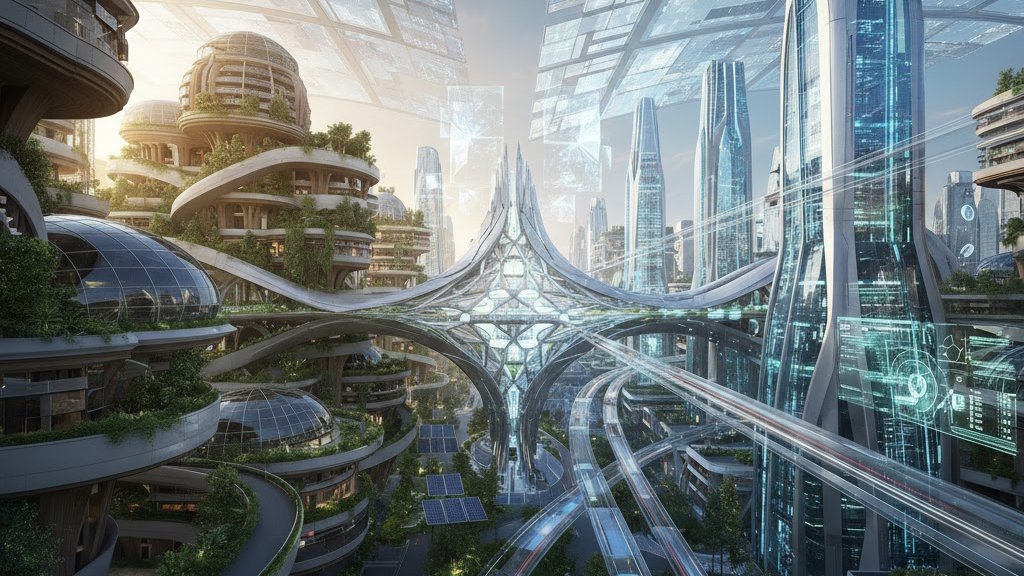
In the modern world, the line between design and technology has become virtually invisible. They are no longer separate, sequential phases of product development—they are two forces bound together, forming the foundation of every successful innovation. The notion that one can thrive without the other is a misconception of the past; in today’s landscape, they are an indivisible duo that drives progress.
The Symbiotic Relationship
At its core, technology is the how—the set of tools, techniques, and scientific knowledge used to create and build. It provides the potential for what can be achieved. Design, on the other hand, is the what and the why—the human-centric process of defining the problem, understanding user needs, and shaping the solution. It ensures that the potential offered by technology is applied meaningfully and effectively.
- Technology Enables Design: Without technological advancement, design is constrained by the limitations of existing materials and processes. For instance, the intricate designs of modern microprocessors and flexible screen technology are only possible due to decades of technological innovation in materials science and engineering. Technology constantly expands the realm of possibility for designers, allowing them to imagine and craft products with new functionalities and forms.
- Design Directs Technology: A pile of cutting-edge technology is just potential until a designer steps in. Design thinking, with its focus on empathy and user experience (UX), provides the roadmap for technology. It asks: Is this technology solving a real problem? Is it accessible? Is it intuitive? Design transforms raw technological capability into a useful, desirable, and viable product. A powerful smartphone operating system is technological prowess, but the easy-to-navigate interface is a triumph of design.
From Ideation to Implementation: A Unified Process
In successful organizations, design and technology teams don’t work in silos, throwing a product idea “over the wall” from one department to the next. Instead, they operate in cross-disciplinary teams, where collaboration begins at the earliest stage of ideation.
- Integrated Prototyping: Modern practices like rapid prototyping and 3D printing (technology) allow designers to quickly create tangible, testable models (design) to gather immediate feedback. This iterative cycle—rapidly moving from design concept to technological implementation and back—is the engine of agile development and modern product creation.
- The User-Centered Mandate: Products today are judged not just by their power, but by their usability. A technologically sophisticated piece of software that is frustrating to use will fail. Design’s mandate to create a superb user experience is what forces technology to be deployed in a way that respects human behavior and cognition. This focus ensures that the technical complexity is hidden beneath a veil of elegant simplicity, making powerful tools accessible to everyone.
The Future is Fusion
As we look toward the future, the synergy between design and technology will only deepen. Fields like Virtual and Augmented Reality, Artificial Intelligence, and Generative Design are inherently fused.
- AI as a Design Partner: AI (technology) isn’t just a feature; it’s becoming a design partner, automating routine tasks and helping designers explore millions of possible solutions to find the optimal form and function.
- Sustainable Innovation: Tackling global challenges like sustainability requires a balanced approach. Technology develops energy-efficient solutions and new materials, but design shapes how these technologies are integrated into products, systems, and communities to encourage sustainable behavior.
Ultimately, the best products—the ones that truly change live are those where the technology is so well-designed that it feels magical, and the design is so fundamentally enabled by technology that it was previously unthinkable. The future belongs to those who see design and technology not as a choice, but as a single, powerful force for innovation.