

The fashion industry has always been a mirror of cultural shifts, but in 2025 it is technology that is reshaping the way we design, wear, and experience clothing. From artificial intelligence to sustainable textiles, the fusion of fashion and tech is no longer a futuristic concept—it’s today’s reality. Consumers are not just looking for stylish garments; they are demanding innovation, personalization, and responsibility. Let’s explore the technological fashion trends that are captivating people right now.
AI-Powered Personalization: Style That Knows You
One of the most transformative forces in fashion today is artificial intelligence (AI). Brands are using AI to analyze consumer behavior, body measurements, and style preferences to deliver hyper-personalized recommendations. Companies like Stitch Fix and Zalando have already pioneered AI-driven styling assistants, and in 2025, this approach is becoming mainstream.
AI doesn’t just help shoppers—it also aids designers. By scanning massive datasets from social media, sales, and even weather patterns, AI can forecast trends before they explode. This reduces overproduction, minimizes waste, and ensures that brands stay ahead of consumer demand.
Virtual Try-Ons and Augmented Reality (AR): Shopping Without Limits
The days of guessing how an outfit will look are fading fast. Augmented reality (AR) try-ons allow customers to see how clothing, accessories, or even makeup will appear on them before making a purchase. Luxury brands like Gucci and Warby Parker have already integrated AR into their apps, and in 2025, this technology is becoming a standard feature across e-commerce platforms.
Beyond shopping, AR is transforming fashion shows. Virtual runways and immersive digital events are democratizing access to high fashion. Burberry and Gucci have experimented with digital showcases, making fashion more inclusive and sustainable by reducing the need for physical shows.
Sustainable Fashion Tech: Eco-Friendly Innovation
Sustainability is no longer optional—it’s essential. Consumers are demanding eco-conscious practices, and technology is providing the solutions. Biodegradable fabrics, mushroom-based leather (Mylo), pineapple-leaf textiles (Piñatex), and recycled nylon are just a few examples of how brands are reinventing materials.
Blockchain is also being used to ensure supply chain transparency, allowing shoppers to trace the origins of their garments. This not only builds trust but also holds brands accountable for ethical practices. In 2025, sustainable tech is not just a trend—it’s a movement shaping the future of fashion.
3D Printing: Customization Without Waste
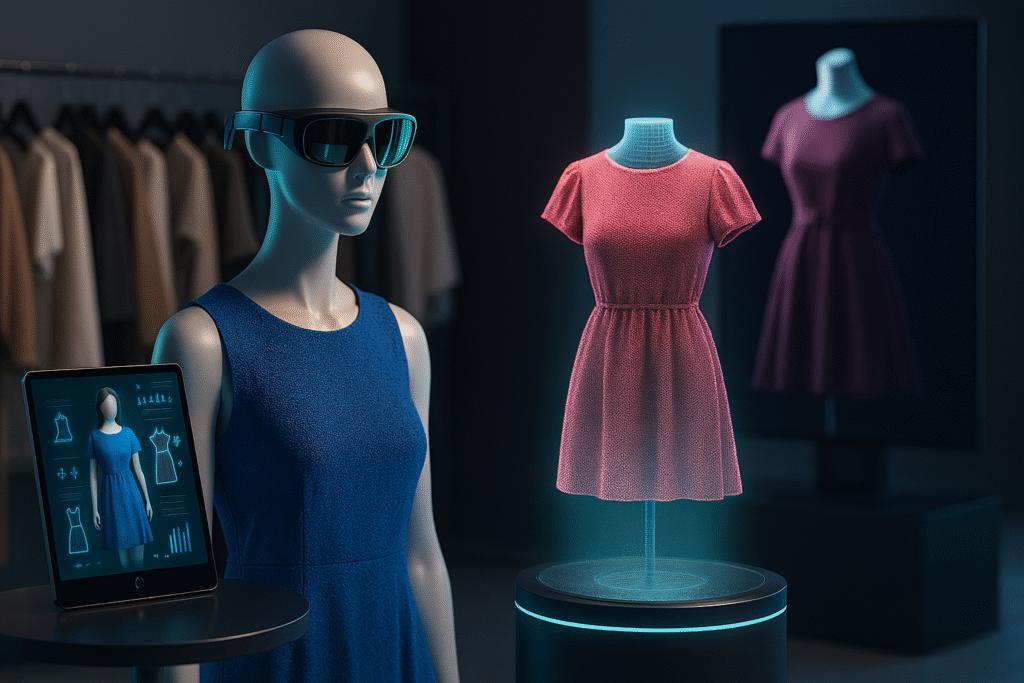
3D printing is revolutionizing garment production by enabling intricate, customizable designs with minimal waste. Designers like Iris van Herpen have showcased 3D-printed couture, but the technology is now moving toward more affordable, mass-market applications.
Imagine ordering a dress online, downloading the design, and having it printed locally to your exact measurements. This vision is closer than ever, reducing shipping emissions and overproduction while offering consumers unique, made-to-order pieces.
Smart Fabrics and Wearable Tech: Fashion That Works for You
Clothing is no longer just about aesthetics—it’s about functionality. Smart fabrics embedded with sensors can regulate temperature, track fitness, or even monitor health conditions. Jackets that adjust to the weather, leggings that measure muscle activity, and shirts that track heart rate are becoming more stylish and accessible.
This fusion of fashion and health tech is particularly appealing to younger generations who value both performance and design. Wearable technology is no longer clunky—it’s seamlessly integrated into everyday style.
Digital Fashion and NFTs: Owning the Virtual Closet
The rise of the metaverse has given birth to digital fashion. Consumers are buying virtual clothing and accessories to dress their avatars in online spaces. Non-fungible tokens (NFTs) are being used to authenticate ownership of these digital garments, creating a new market for collectors and fashion enthusiasts.
While some may see digital fashion as niche, it reflects a broader cultural shift: fashion is no longer confined to the physical world. For Gen Z and Gen Alpha, digital self-expression is just as important as real-world style.
On-Demand and Localized Manufacturing: Speed Meets Sustainability
Fast fashion is being replaced by on-demand production. Instead of mass-producing garments months in advance, brands are adopting localized manufacturing models that produce clothing only when ordered.
This reduces waste, shortens supply chains, and allows for greater responsiveness to consumer demand. It also aligns with the growing desire for unique, limited-edition pieces rather than mass-produced items.
Robotics in Fashion Production: Automation with Precision
Behind the scenes, robotics is streamlining fashion production. From automated sewing machines to robotic fabric cutters, technology is making manufacturing faster, more precise, and less reliant on exploitative labor practices.
While some fear automation may reduce jobs, it also opens opportunities for new roles in tech-driven design, engineering, and supply chain management.
Conclusion: The Future Is Woven With Technology
In 2025, fashion is no longer just about fabric and thread—it’s about data, sustainability, and digital innovation. Consumers are seeking clothing that reflects not only their personal style but also their values and lifestyles. Whether it’s AI-driven personalization, AR try-ons, or sustainable textiles, the technological fashion trends of today are shaping a future where style is smarter, greener, and more inclusive.
The fusion of fashion and technology is not a passing fad—it’s the new standard. And as innovation accelerates, one thing is clear: the runway of the future is digital, sustainable, and endlessly creative.
Sources Index
- Milan Fashion Week SS26: Top 10 Spring/Summer Trends
- Top 10 Fashion Tech Trends to Know in 2025 – RETAILBOSS
- Top 8 Technology Trends Reshaping the Fashion Industry in 2025 – The Design Village
- Top 9 Technology Trends Reshaping Fashion Industry in 2025 – Techpacker